Menu
 Home
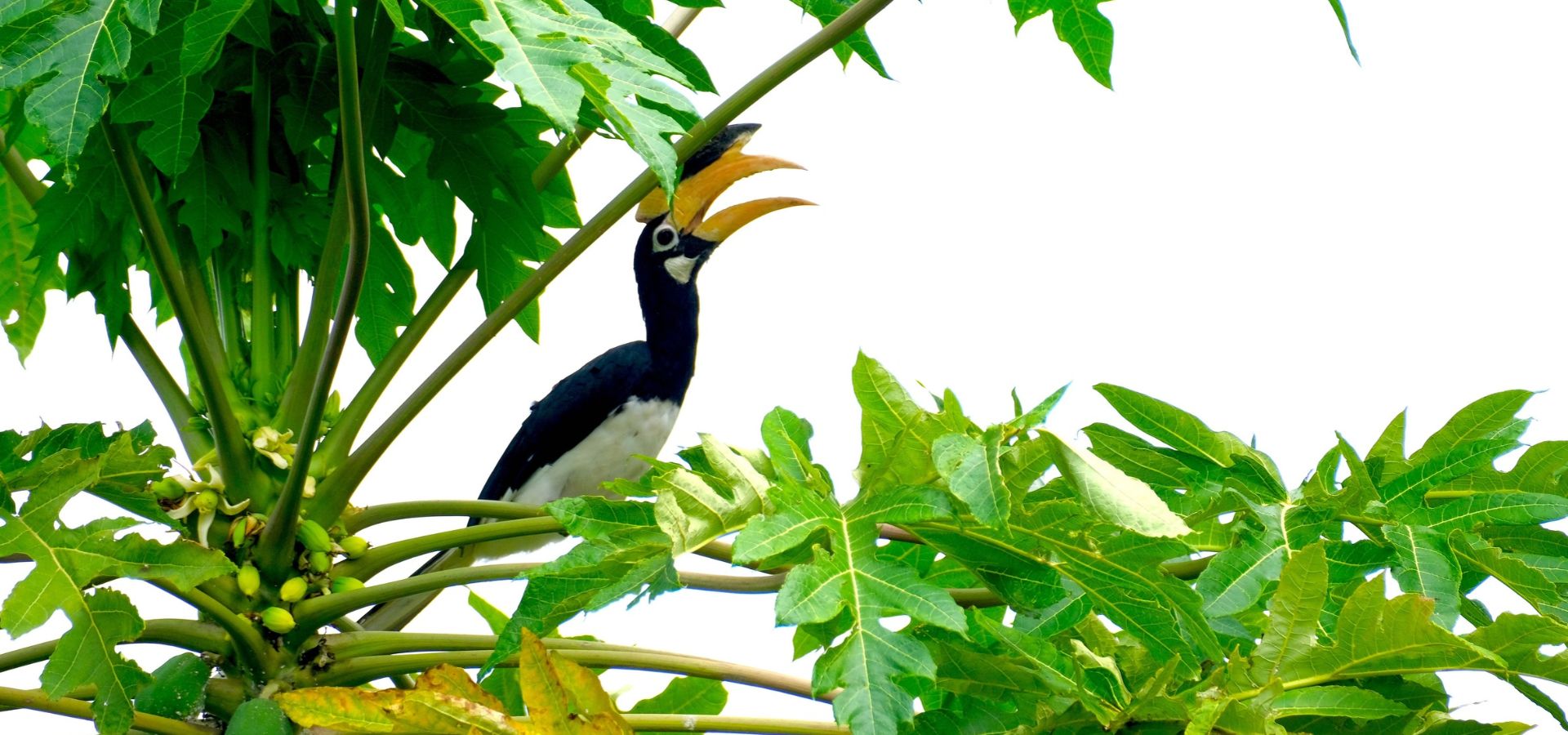
In the rugged plains surrounding Sri Lanka’s legendary Sigiriya Rock Fortress, your wake-up call is the playful cackle and raucous chatter of a pair of Malabar pied hornbills, heralding the sunrise from the branches of a papaya tree. This is Sigiriyaaya Hotel—nestled in the Lion Rock expanse of interconnected paddy, corn, and onion fields. A Jetwing-inspired haven designed for families and intrepid travellers who wish to slow down and stay longer to experience the areas many exciting activities. Here, the boundary between human daily farming life and the untamed wilderness beautifully blurs and reflects back at you in the central courtyards azure blue swimming pool. A sun lounging spot where lizards act as self-appointed pool attendants and the wild peacocks routinely remind guests how magnificent a mating dance can be.
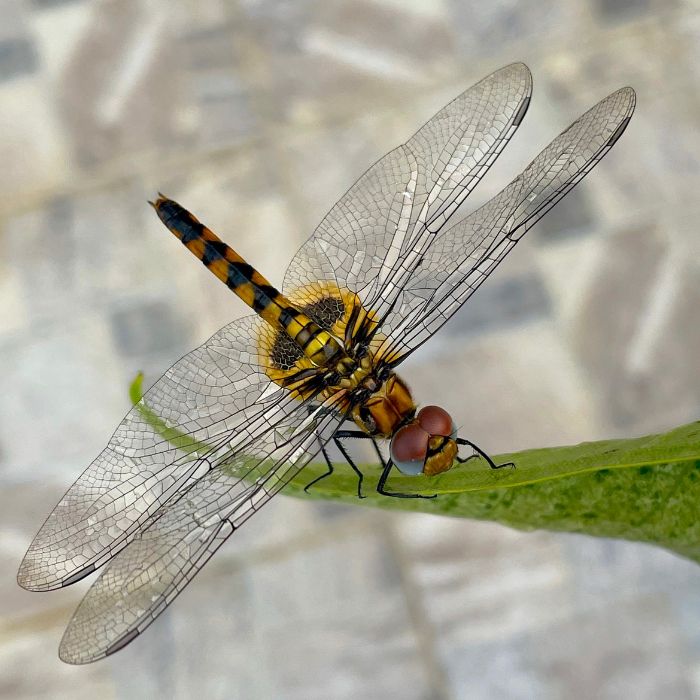
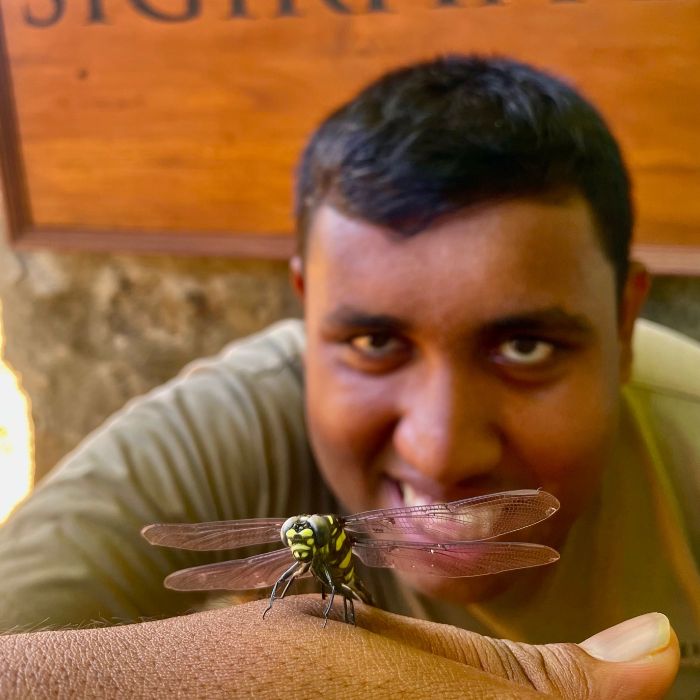
The true heart and soul of Sigiriyaaya Hotel rests in the hands of groundsman Dilshan Dananjaya, a larger-than-life gardener whose family has farmed the surrounding village knowns as the golden rock Rangirigama for generations. For Dilshan, the property is an interconnecting living canvas meant to feed both the guests and the wild. His reverence for nature is infectious; whether he is gently rescuing a dragonfly from the swimming pool with a leaf or holding it in his hands waiting for it to dry its wings in the tropical sunshine, his philosophy remains simple: “I love nature. It’s so peaceful, and you can completely trust the dragonflies, birds and butterflies.” To Dilshan, they are all dear friends—even the bugs! Starting his days at 5:00am cleaning the pool, Dilshan has transformed what was once a basic patch of grass into a thriving tropical wonderland. Under the guidance of his wise mentor, Jetwing Vil Uyana engineering genius, naturalist and agriculture manager Bandara Nayanapriya. Together they have planted fragrant Aralias and nectar-rich plants at the hotel entrance specifically chosen to attract local butterflies. As a result, guests are treated to a spectacular wildlife welcome as tiger butterflies dance around them on their way up the hotel’s lion steps. Once inside, the Blue glassy tiger and common tiger flutter and return to drinking more nectar leaving you to enjoy the arrival sofas and welcome drink—nestled beside four custom made “welcome bushes” designed to transition travellers from the busy roads into absolute serenity—while jumping fish splash in the background in their pond.
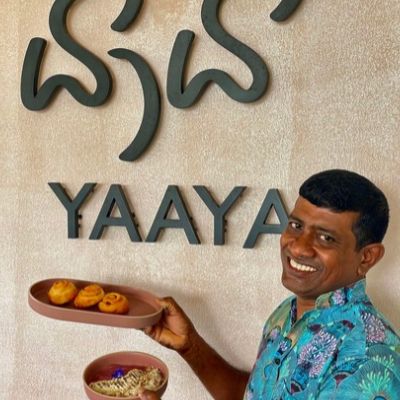
The sensory journey deepens inside the dining hall, where the air fills with the rich, aromatic scents of roasted spices and laughter escaping from the traditional kitchen. This is the domain of chef Harsha Senarathne, the plot to plate culinary alchemist, who takes personal delight in personalising every meal. For vegan and vegetarian travellers, Sigiriyaaya is a true foodie haven. Chef Harsha treats dietary preferences not as restrictions, but as opportunities for creativity. Playfully tossing fresh spinach high into the air as he shares a vital island truth: “We should, like the wild elephants, eat more greens.” Both Harsha and Dilshan the gardener view the region’s wild elephants as babies, akin to mischievous toddler that need protecting and looking after. The playful wild elephants who wander through the village plains sticking their trunks into everything and occasionally knocking over a fence by accident just to hoover up some rice from a village kitchen. Thinking if they hide behind a tree they won’t get caught, which is hilarious to observe on a night safari. Growing up alongside these animals gives the team a deeper perspective on their importance to Sri Lanka’s rich cultural heritage, a belief that shapes the eco-conscious ethos of the entire Jetwing family owned brand
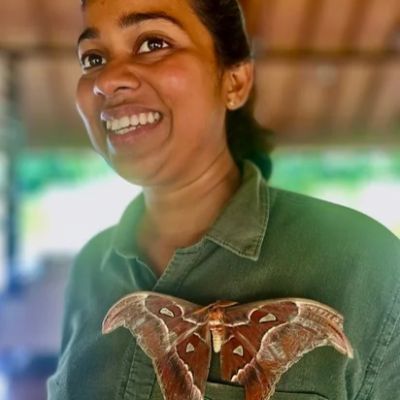
The highlight of the property is the uber-cool YAAYA Cafe, a rooftop vantage point offering spectacular views of the Eighth Wonder of the World: the mighty Sigiriya Rock Fortress whilst enjoying awesome Barista made coffee. This 200-metre-high colossal monolith sits above the tropical plains and today is the sovereign kingdom of the island’s most spectacular bird, the sentinel of the sky the spectaculat Shaheen falcon and the undisputed King of Speed. To Dilshan, these raptors are masterpieces of evolution that bridge the mystical gap between divine power and earthly rule. To unlock their secrets, and have a better understanding about this fortress in the sky guests can book a naturalist guide through Jetwing Vil Uyana, like resident naturalist and butterfly expert Piyumanthi Thilakarathne whose Rajarata University field work is incredibly impressive or her mentor, Bandara.
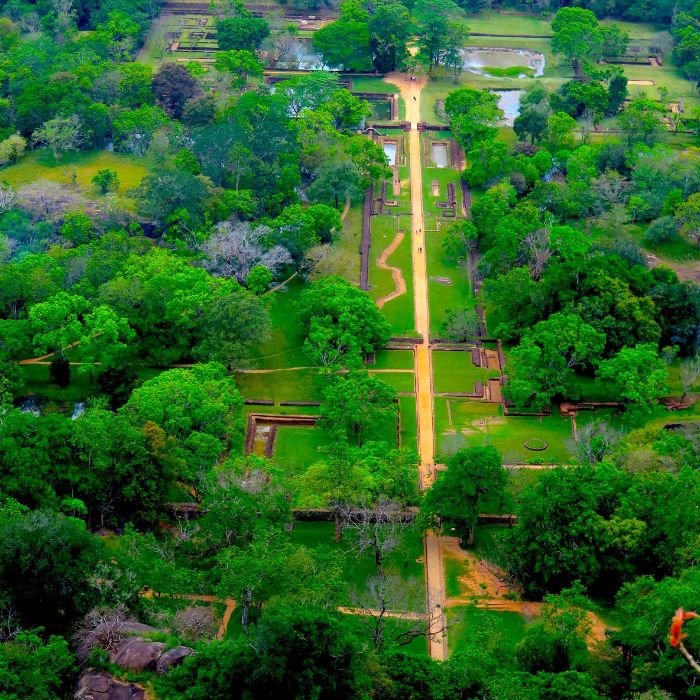
Bandara, who also leads the highly sought-after daily nocturnal Loris walks through the bamboo canopy, explains that the Shaheen falcon’s unique, jet-engine-like nostril anatomy allows it to withstand extreme air pressure. So it needs to live high up or it can’t make a vertical plunge, weaponising gravity to snatch fast-moving green pigeons and huge fruit bats right out of the sky. Bandara says when nesting in crevices to protect their young they will even attack a black eagle if it gets too close to make sure their chicks stay safe. Relaxing at the YAAYA Cafe with a coffee table book in hand, you will discover how the lost kingdom of Sigiriya was reclaimed and the fascinating history of how the 5th-century AD King Kashyapa’s abandoned fortress was swallowed entirely by the emerald curtain of the surrounding forest. Only existing as a ghostly legend whispered among local rice farmers whose fields were—and still are—fed by the fortress’s ancient cascading water system. The lost kingdom remained a secret to the outside world until 1831, when Major Jonathan Forbes of the British Army’s 78th Highlanders Regiment hacked through the thick over grown forest greenery. What he discovered was a triumph of ancient engineering and art: a cascading water garden comparable to Versailles in beauty, vibrant frescoes of jewel-encrusted concubines, and dramatic giant lion paws acting as the entrance stair case to the main palace and the Kings throne.A place that was guarded by the world’s fastest birds revealing deep bond between falcons and royalty, that spans across civilisations, from the ancient Egyptians worshipping the falcon-headed god Horus, to medieval European lords whose rank was defined by the bird on their glove, to modern Saudi royalty who value them so much they issue their prize falcons their very own passports for when they take them on a trip abroad.
Shaheen falcons you will learn on a guided walk are a subspecies of the Peregrine Falcons from India. Identifiable by their jet black hoods they use their birds eye view from the top of the rock as a hunting ground in order to find the right moment to take to the skies and catch a passing bird. The cleverly weaponise gravity by folding their wings and harnessing the wind. It is fascinating to observe a Shaheen Falcon slicing through the tropical air at extraordinary fast speeds which hit 320 to 380 kilometres per hour. Once locked in they grab their target like a swallow swiftly with their yellow talons, as they always strike with absolute precision. Their name means king (Shah) and being high up is the reason they have chosen the regal setting of Sigiriya for the last 1500 years to be their home, because it has a protected eco system not under threat from greedy developers.