Moragahakanda Dam is a remarkable piece of Sri Lankan engineering and a satisfying day trip option if you are looking for a peaceful outing. This dam is located amidst rolling hills and is an example of a large-scale infrastructure project. An important irrigation scheme in Sri Lanka, the Moragahakanda Dam is a water management and power production facility in the region. It was only in the recent past that the massive reservoir at the Moragahakanda Dam became a tourist spot.
Moragahakanda Dam is an integral part of the Moragahakanda-Kalu Ganga Project and has been implemented within Sri Lanka’s Mahaweli Development Plan. This plan was meant to assist with water shortages in the dry zone of Sri Lanka and to help with regional and national production of food and energy. Its construction took place after extensive planning and analysis.
The government had several reasons for constructing the dam. Their main purpose was to supply water for irrigation to the agricultural zones. Apart from this, it also supports hydropower development, supplies clean water to both urban and rural settings, and controls floods. Moragahakanda Dam has become a reflection of massive development at a national level.
Moragahakanda Dam is located in the Matale District, in Sri Lanka’s Central Province. It is not far from major towns and is easily accessible for a day tour. Matale is the nearest major town followed by Naula and Dambulla.
Distance from Colombo: Roughly 210-220 km from Colombo, requiring an average of 5-6 hours of driving time, depending on traffic conditions.
Distance from Kandy: Relatively short for a road trip. About 60-70 km, or a driving time of roughly 2 hours.
Route: Travellers will have to take the Kandy-Matale Road, or the A9, then follow directions towards Naula before proceeding to the dam.
The Moragahakanda Dam is a large rock-fill embankment dam over 60 m high and is the tallest dam in Sri Lanka. It can hold more than 570 million cubic metres of water, and the resulting reservoir is an extensive inland lake stretching across surrounding valleys.
The dam is installed with a hydropower plant with the capacity for about 25 megawatts of electricity generation. Though modest compared to large thermal plants, this is another renewable energy source that contributes to the national grid.
In addition, the irrigation network from the dam channels to the North Central Province and other dry-zone districts, supporting the regions that are highly dependent on seasonal rainfall.
a. Agricultural Development
As one of the major irrigation projects in Sri Lanka, it has greatly improved agricultural productivity by providing water for paddy fields and vegetable farms in Moragahakanda. Thousands of hectares of land, which previously depended on rain, can now be cultivated throughout the year. It allows farmers to increase yields and produce a wide variety of crops.
b. Drinking Water Supply
In addition, the dam plays a major role in supplying clean drinking water to both urban and rural areas. This has significantly enhanced public health standards and minimised shortages of water during the dry season.
c. Contribution of Hydropower
Through the supply of renewable hydropower, Moragahakanda decreases dependence on fossil fuels and supports Sri Lanka in pursuing sustainable solutions in energy.
d. Socio-Economic Impact
The local communities also benefit in terms of infrastructure, with employment provided through construction and maintenance, and increased access to water. Development in the region has been further improved by new roads and services.
- Panoramic views: High viewpoints from the surrounding hilltops of the dam present breathtaking views of the reservoir and the surrounding hills, particularly during sunrise and sunset.
- Spillway watch: The sight of water being released through the spillway during the rainy season is truly memorable.
- Understanding the mechanics of the dam: Through observation and explanation, students and visitors can understand how irrigation systems and water management work, as well as how hydropower operations are carried out.
- Birdwatching/wildlife: Several species of birds visit this reservoir, making it ideal for quiet reflection and viewing wildlife.
Some of the nearby tourist attractions in Matale include:
- Wasgamuwa National Park: This park is close by and can easily be visited on a drive. Go sightseeing to view elephants, birds and other animals.
- Knuckles Mountain Range: Ideal for trekking, with misty peaks and biodiversity.
- Dambulla Cave Temple: This UNESCO World Heritage Site features ancient Buddhist murals and statues. Visitors can find accommodation close by in top hotels like Jetwing Lake.
- Naula and Matale town attractions: local markets, temples, and cultural sites give a glimpse into day-to-day life in the region.
A day trip to Moragahakanda Dam offers plenty of scenic beauty and educational value. Whether you’re interested in national development projects, or are exploring Central Sri Lanka, Moragahakanda rewards every traveller.


Honeymoon in Sri Lanka: The Ultimate Luxury Romantic Escape
Top Wellness Hotels in Sri Lanka with Ayurvedic Spa and Holistic Care
Best Family-Friendly Hotels in Sri Lanka for Summer Vacations: A Complete Guide
Exploring Adam’s Peak Routes: A Guide to Choosing the Right Path to Sri Pada
Exploring Bahirawakanda Temple, Kandy: A Spiritual Landmark Above the City
Exploring Kandy National Museum: A Journey Through Sri Lanka’s History
Top Lagoons in Sri Lanka: Hidden Waters Worth Exploring
Vegan Travel in Sri Lanka: A Sustainable Wellness Escape at Jetwing
Best Beachfront Hotels for a Dream Wedding in Sri Lanka
Bentota River Cruising: Explore Sri Lanka’s Stunning Coastal Waterways
Why Jetwing Hotels is the Ideal Location for Your Next Business Meeting in Colombo
Popham’s Arboretum: A Perfect Escape into Sri Lanka’s Natural Beauty
Things to See and Do at Sithulpawwa, Sri Lanka: An Ancient Buddhist Monastery Experience
How to Spend a Day at Hakgala Botanical Garden: Your Ultimate Visitor’s Guide
A Traveller’s Guide to Visiting Gangaramaya Temple, Colombo
Surf Season in Arugam Bay: When to Visit for the Best Waves
Sigiriya: Explore Sri Lanka’s Famous Monument and Enjoy Your Stay at Jetwing Hotels
The Ultimate Guide to Luxury Villa Stays in Sri Lanka
A Guide to the Best Places for Bird Watching in Sri Lanka
The Ultimate Guide to the Best Things to Do in Welimada
A Complete Guide to Watersports in Bentota, Sri Lanka
Top Destinations for Wildlife Safaris in Sri Lanka You Can’t Miss
Rediscover Balance and Vitality Through Panchakarma Treatment at Jetwing
The Hidden Treasures of Embekke Devalaya in Sri Lanka: A Must-See Historical Landmark
What Makes Zip Lining in Sri Lanka an Unforgettable Adventure?
Exploring the Ramayana Trail in Sri Lanka: A Journey Through Myth and Legend
Top Things to Do Around Jetwing Surf in Pottuvil
A Guide to the Best Hiking Trails in Sri Lanka: Exploring The Pekoe Trail
A Guide to the Best Time to Visit Ella, Sri Lanka
Top Attractions and Things to Do Around Jetwing Saman Villas in Bentota, Sri Lanka
Top 5 Places for Snorkelling Experiences in Sri Lanka
Why the Ibbankatuwa Megalithic Tombs Should Be Your Next Archaeological Adventure
Stay at Jetwing Jaffna and Discover the Most Beautiful Places in the Region
What are the 8 Most Beautiful Places to Visit in Nuwara Eliya for a Nature-Filled Adventure?
What Makes Jetwing Vil Uyana a Unique Stay Among Sri Lanka’s Top Luxury Eco Resorts
Discover the Rich History of Sri Lankan Masks at Ariyapala Masks Museum
Top Wildlife Encounters in Kumana National Park: What to Expect
Discover Ravana Falls & Cave: Sri Lanka’s Natural Paradise
A Local’s Guide to Enjoying Gregory Lake, Sri Lanka
Exploring Pottuvil: Best Places to Visit for an Unforgettable Trip
Experience the Splendour of Dalada Maligawa Perahera in Sri Lanka
Top Adventure Activities in Sri Lanka: Thrills and Excitement Await
A Breathtaking Hot Air Balloon Experience in Sigiriya, Sri Lanka
From Ayurveda to Luxury: Wellness Resort in Sri Lanka for Every Need
Safe and Exciting Water Sports in Sri Lanka for Kids and Teens
Climbing Pidurangala: A Unique Experience in Sri Lanka’s Ancient Heritage
Discovering Ancient Forts in Sri Lanka: A Blend of History and Architecture
Journey Through Time: Exploring Key Archaeological Sites in Sri Lanka
Discover the Ancient Caves of Sri Lanka – A Journey Through Time
A Hiker’s Paradise: Exploring Ella’s Most Scenic Waterfalls
Discover the Hidden Gems of Wilpattu National Park
Top Attractions Near Jetwing Vil Uyana: Sri Lankan Adventure
Why Every Wildlife Enthusiast Must-visit Bundala National Park
The Best Eco-Conscious Hotel in Sri Lanka for an Earth-Friendly Vacation
The Beauty of Muthurajawela: A Photographic Journey Through Sri Lanka’s Mangroves
Discover the Best Day Outing Places in Dambulla for Adventure and Relaxation
Secrets of the Knuckles Mountain Range: What to See and Do in Sri Lanka’s Nature Reserve
Why Colombo Dutch Hospital is a Must-Visit for History Lovers and Shoppers Alike
Why Cycling is the Best Way to Discover the Hidden Gems of Bentota
Top 10 Scenic Boat Rides and River Cruises in Sri Lanka
10 Beautiful Rivers in Sri Lanka Every Traveller Should Explore
Explore Sri Lanka’s Village Walks for Nature Lovers
July Explorations: Sri Lanka’s UNESCO Gems, Temples, and Where to Stay
Kandy’s Temple of the Sacred Tooth: Must-Know Tips for Visiting
Top Things to Do in Horton Plains, Nuwara Eliya: A Complete Travel Guide
A Guide to the Most Stunning Botanical Gardens in Sri Lanka
Top Attractions & Things to Do Around Jetwing Uva Ben Head Villa
A Journey into the River Safari in Sri Lanka
Capturing the Essence of Sri Lanka: A Photographer’s Paradise
Honeymoon Guide: Best Romantic Getaways and Places in Sri Lanka

Leaping Towards a Sustainable Future by Tripling Our Reliance on Solar Energy

Family Itinerary in Sri Lanka: Discover the Best Places to Visit and Things to Do
Exploring Maskeliya, Sri Lanka: The Top 5 Things to do and Places to Visit
Sri Lanka in April: Climate, Activities and More
Travel Spots: 10 Uncommon Places and Hidden Attractions In Sri Lanka
Exploring Kebiliththa Siyambalawa Devalaya – A Spiritual Retreat Amidst Nature’s Beauty
Exploring the Mysteries of Fa-Hien Caves, Kalutara, Sri Lanka
Top Wildlife Photography Destinations in Sri Lanka
Sri Lanka’s Enchanting Train Ride: Colombo to Ella
Best Instagrammable Destinations in Sri Lanka
A Traveller’s Guide to the Must-Visit Places in Nuwara Eliya
Martin Wickramasinghe Museum: A Journey Through Sri Lanka’s Literary and Cultural Heritage


5 Tips Families Should Consider Before Travelling To Sri Lanka


Must-Visit Places during a Short Stay in Sri Lanka


Unique Parks Around Yala to Explore the Next Time You Visit Yala

Places to Visit in Galle for Couples

Exploring The North of Sri Lanka

Top Five Things to do in Sigiriya

Four Uncommon Places to Visit in Nuwara Eliya
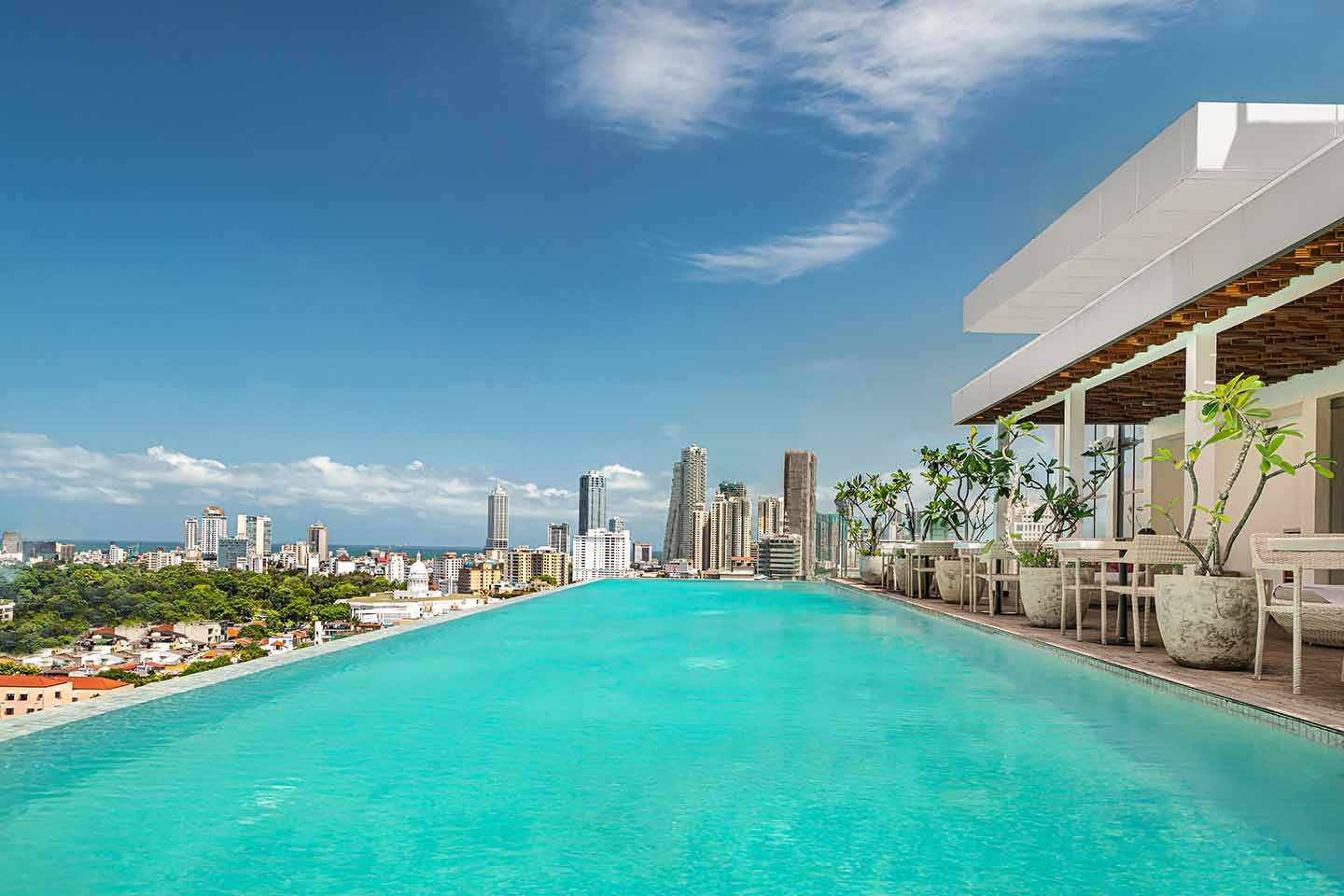


What to do in Colombo; A Business Traveller’s Guide


On the trail with Jetwing – Culture
Sri Lanka’s culture is vibrant and unique. In this edition of On the Trail with Jetwing, we explore the island from its ancient past to modern times to find out what makes us truly Sri Lankan.
read more
On the trail with Jetwing – Food
Few facets of society can become as truly an ambassador for the identity of a country as its cuisine.
read more
On the trail with Jetwing – Wildlife
Sri Lanka provides multiple habitat niches for a stunning collection of fauna and flora
read more
Nuwara Eliya Beyond Tea
Harking back to Sri Lanka’s colonial past, the hill country of Sri Lanka still preserves in its quaint towns and villages, the architecture and idiosyncrasies of a European past.
read more
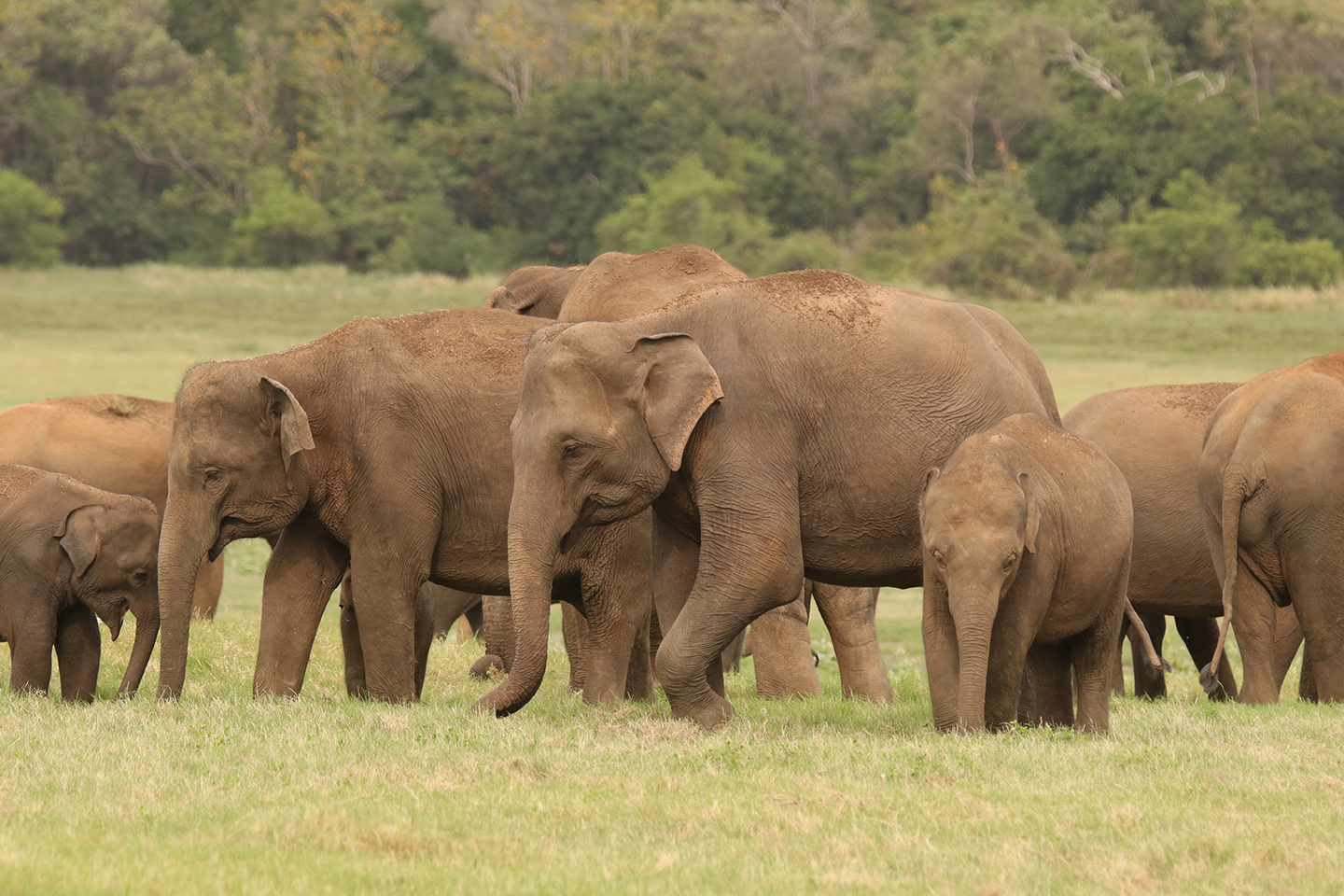
The Great Gathering
In drawing together elephants from across the north-central dry zone, it functions as an intermingling event for genes of different elephant groups.
read more
The Faith of Yalpanam
In the heart of Jaffna, the resplendent Nallur Kandaswamy Temple holds its sacred, annual 27-day long Nallur Festival, the island’s longest festival.
read more
A Procession of Colours
Experiencing the island’s most colourful procession- a fusion of Sri Lanka’s rich heritage and culture.
read more
Heroes in a Hard Shell
Creating a safe haven for the humble beginnings of an eternal journey
read more
CLEAN CONSCIENCE
Welcome to the 7-day luxury eco-tour of Sri Lanka that doesn’t cost the earth
read more
SRI LANKA: EAST COAST ROAD TRIP
A 7-day guide to the beaches, temples, wildlife and surf spots on the undiscovered side of Sri Lanka
read more
48 HOURS IN THE CULTURAL TRIANGLE
The ultimate two-day tour, taking in Sigiriya and the Dambulla Cave Temples
read more
SLENDER IS THE NIGHT
From night walks to see slender loris to the elephant gathering at Minneriya – the wildlife wonders of Jetwing Vil Uyana
read more
NEW BALANCE
Discovering the secrets of Ayurveda on a life-enhancing tour of Sri Lanka
read more
RISING STARS
How the Jetwing Youth Development Programme is changing young people’s horizons in Sri Lanka
read more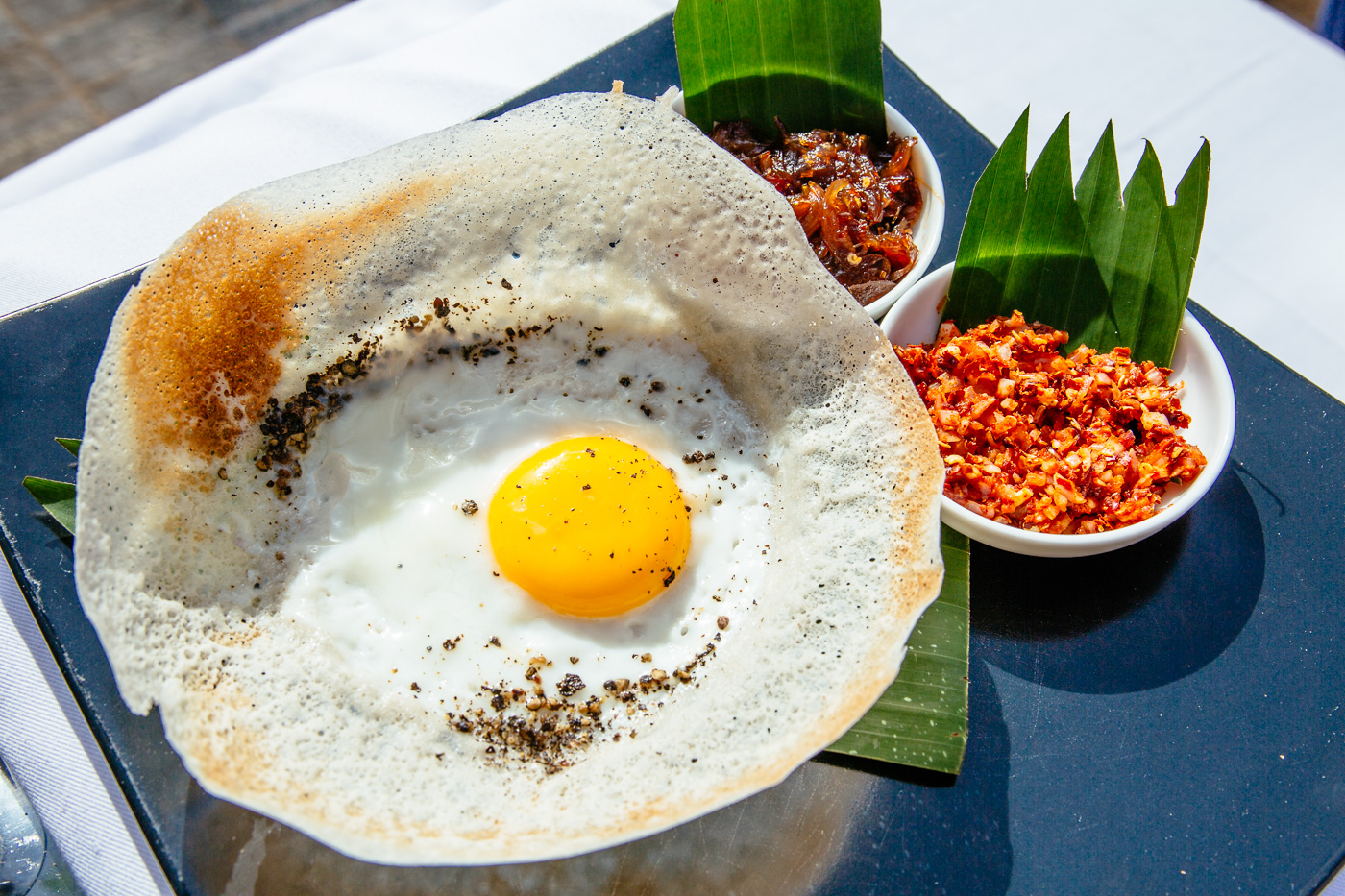
THE ISLAND KITCHEN: Hoppers
Learn how to make amazing egg hoppers with our authentic Sri Lankan recipe
read more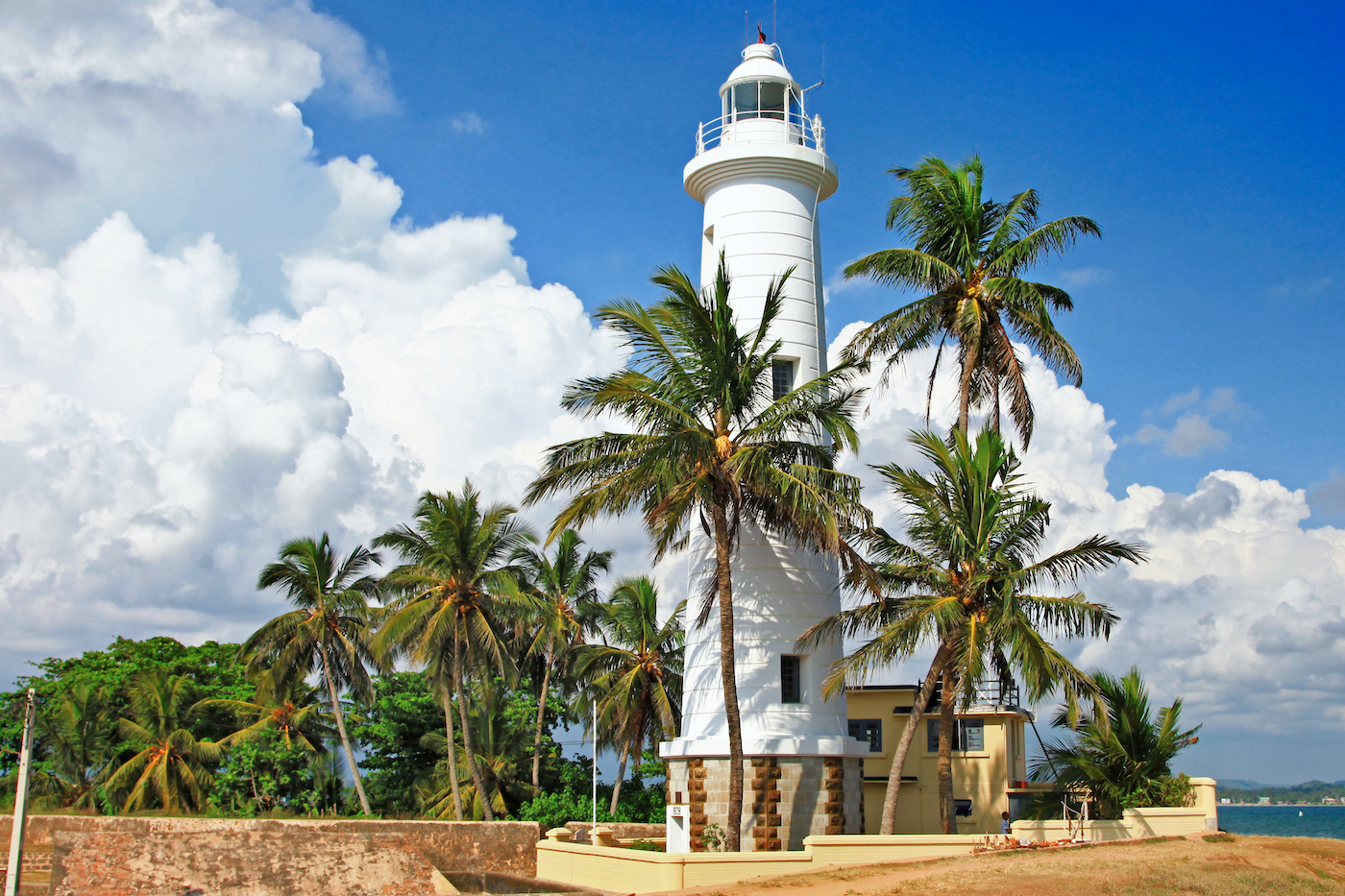
GALLE: To The Lighthouse
Combine cultural wonders and incredible wildlife watching in this definitive 4-day guide to Galle
read more
48 Hours in Colombo
From secret street food spots to historic city walks, discover the best of Colombo with this two-day city guide
read more
A Slow Train To Hill Country
The many natural and cultural highs of train travel from Colombo to Ella
read more
The Insider Guide To Yala
From leopard spotting to diving shipwrecks – expert tips on Yala National Park safaris and Sri Lanka’s southeast coast
read more
Tea Story
From meeting pluckers to tasting Ceylon Tea’s finest flushes – a tea lover’s trip through Sri Lanka’s Hill Country
read more
Chasing Waterfalls
Getting wet in Wellawaya – home of Sri Lanka’s finest waterfalls and wild swimming spots
read more
In The Land Of Giants
Sea turtles, blue whales and Sri Lankan elephants on a three-day wildlife tour of the south coast
read more
The Island Kitchen
Five authentic Sri Lankan ‘Rice & Curry’ recipes you have to try
read more
Field To Fork
Experiencing the life, culture and home-cooking of traditional Sri Lankan paddy farmers
read more