Sri Lanka is a land of diverse ethnic groups and religions, where culture and tradition come together. Among its most famous festivals, the Katharagama Perahera stands out as an event that transcends religious boundaries and brings people together. Held annually in the town of Katharagama in the south, this is more than just a procession – it’s a testament to unity among diverse faiths.
A Festival for All
What makes the Katharagama Perahera special is that it’s not limited to one religion. While the festival is centred on the worship of Skanda Kumara (also known as Kataragama Deviyo) a deity revered by Buddhists, he is also worshipped by Hindus as Murugan, the god of war and victory. Muslims come to honour the nearby shrine of Shaikh al-Khidr and even some indigenous Vedda communities have considered this site sacred for centuries.
This combination of faiths turns Katharagama into a backdrop of religious harmony during the festival. Pilgrims from all over the country – and even from South India – make their way here, some walking for hundreds of kilometres, united by devotion.
The Perahera
At the heart of the festival is the Perahera, a nightly procession that winds through the streets in a riot of colour, light and sound. Elaborately decorated elephants play a major role, carrying sacred relics and symbols. Dancers whirl and leap, drummers beat out hypnotic rhythms and torchbearers light the way.
This is one of the most popular religious festivals in Sri Lanka, held to honour Kataragama Deviyo and to fulfil the vows of pilgrims. Each night, there are different performances, until the last night when thousands gather to witness the finale of this sacred spectacle.
The Kavadi Dance of Devotion
One of the most impressive sights is the Kavadi dance, performed mainly by Hindu devotees of Murugan. Kavadi means “burden” and refers to the ornate wooden structures, often decorated with peacock feathers (the bird associated with Murugan), which devotees carry on their shoulders. Some of them undertake intense physical penance—piercing their skin, tongues or cheeks with small spears called vel—believing that their god will protect them from pain.
These kavadi dancers move in a trance-like rhythm, accompanied by drums and cymbals, after days of fasting and prayer.
The Devalaya
The hub of all these rituals is the Katharagama Devalaya, a simple shrine of immense importance. Though it has Buddhist elements, it is mainly dedicated to the deity worshipped across different religions. Here, rituals are conducted by Kapuralas—priests who are not Buddhist monks but hereditary custodians of the shrine, preserving ancient traditions that pre-date colonial times.
Devotees visit the devalaya to offer fruits, flowers and burning camphor. Many bring small clay pots filled with offerings, which they later break, symbolizing the breaking of ego and worldly attachments.
A Symbol of Harmony
Katharagama Perahera is an example of interfaith and cultural harmony. Here Buddhists chant pirith, Hindus recite Tamil prayers and Muslims quietly pray, all in the same sacred space.
One of the most well-known features of the Katharagama festival is the Padayatra. In this centuries old tradition, devotees walk for weeks, sometimes months, from as far as Jaffna or Trincomalee in the north. They cover hundreds of kilometres to reach the town from jungles, villages and dusty roads barefoot. For many, this is an act of devotion and penance offered in hope of blessings or to fulfil a vow.
Visitors to Katharagama can also go on a safari in the nearby Yala National Park, just six minutes away. While there, unwind in top accommodation such as Jetwing Yala, situated just outside the park.
So if you ever come to Sri Lanka in July or August, make your way south to Katharagama. Join the crowds, hear the drums, watch the flames dance and thousands of people gathered in faith. You will see not just a festival but a celebration of humanity.


Top Lagoons in Sri Lanka: Hidden Waters Worth Exploring
Vegan Travel in Sri Lanka: A Sustainable Wellness Escape at Jetwing
Best Beachfront Hotels for a Dream Wedding in Sri Lanka
Bentota River Cruising: Explore Sri Lanka’s Stunning Coastal Waterways
Why Jetwing Hotels is the Ideal Location for Your Next Business Meeting in Colombo
Popham’s Arboretum: A Perfect Escape into Sri Lanka’s Natural Beauty
Things to See and Do at Sithulpawwa, Sri Lanka: An Ancient Buddhist Monastery Experience
How to Spend a Day at Hakgala Botanical Garden: Your Ultimate Visitor’s Guide
A Traveller’s Guide to Visiting Gangaramaya Temple, Colombo
Surf Season in Arugam Bay: When to Visit for the Best Waves
Sigiriya: Explore Sri Lanka’s Famous Monument and Enjoy Your Stay at Jetwing Hotels
The Ultimate Guide to Luxury Villa Stays in Sri Lanka
A Guide to the Best Places for Bird Watching in Sri Lanka
The Ultimate Guide to the Best Things to Do in Welimada
A Complete Guide to Watersports in Bentota, Sri Lanka
Top Destinations for Wildlife Safaris in Sri Lanka You Can’t Miss
Rediscover Balance and Vitality Through Panchakarma Treatment at Jetwing
The Hidden Treasures of Embekke Devalaya in Sri Lanka: A Must-See Historical Landmark
What Makes Zip Lining in Sri Lanka an Unforgettable Adventure?
Exploring the Ramayana Trail in Sri Lanka: A Journey Through Myth and Legend
Top Things to Do Around Jetwing Surf in Pottuvil
A Guide to the Best Hiking Trails in Sri Lanka: Exploring The Pekoe Trail
A Guide to the Best Time to Visit Ella, Sri Lanka
Top Attractions and Things to Do Around Jetwing Saman Villas in Bentota, Sri Lanka
Top 5 Places for Snorkelling Experiences in Sri Lanka
Why the Ibbankatuwa Megalithic Tombs Should Be Your Next Archaeological Adventure
Stay at Jetwing Jaffna and Discover the Most Beautiful Places in the Region
What are the 8 Most Beautiful Places to Visit in Nuwara Eliya for a Nature-Filled Adventure?
What Makes Jetwing Vil Uyana a Unique Stay Among Sri Lanka’s Top Luxury Eco Resorts
Discover the Rich History of Sri Lankan Masks at Ariyapala Masks Museum
Top Wildlife Encounters in Kumana National Park: What to Expect
Discover Ravana Falls & Cave: Sri Lanka’s Natural Paradise
A Local’s Guide to Enjoying Gregory Lake, Sri Lanka
Exploring Pottuvil: Best Places to Visit for an Unforgettable Trip
Experience the Splendour of Dalada Maligawa Perahera in Sri Lanka
Top Adventure Activities in Sri Lanka: Thrills and Excitement Await
A Breathtaking Hot Air Balloon Experience in Sigiriya, Sri Lanka
From Ayurveda to Luxury: Wellness Resort in Sri Lanka for Every Need
Safe and Exciting Water Sports in Sri Lanka for Kids and Teens
Climbing Pidurangala: A Unique Experience in Sri Lanka’s Ancient Heritage
Discovering Ancient Forts in Sri Lanka: A Blend of History and Architecture
Journey Through Time: Exploring Key Archaeological Sites in Sri Lanka
Discover the Ancient Caves of Sri Lanka – A Journey Through Time
A Hiker’s Paradise: Exploring Ella’s Most Scenic Waterfalls
Discover the Hidden Gems of Wilpattu National Park
Top Attractions Near Jetwing Vil Uyana: Sri Lankan Adventure
Why Every Wildlife Enthusiast Must-visit Bundala National Park
The Best Eco-Conscious Hotel in Sri Lanka for an Earth-Friendly Vacation
The Beauty of Muthurajawela: A Photographic Journey Through Sri Lanka’s Mangroves
Discover the Best Day Outing Places in Dambulla for Adventure and Relaxation
Secrets of the Knuckles Mountain Range: What to See and Do in Sri Lanka’s Nature Reserve
Why Colombo Dutch Hospital is a Must-Visit for History Lovers and Shoppers Alike
Why Cycling is the Best Way to Discover the Hidden Gems of Bentota
Top 10 Scenic Boat Rides and River Cruises in Sri Lanka
10 Beautiful Rivers in Sri Lanka Every Traveller Should Explore
Explore Sri Lanka’s Village Walks for Nature Lovers
July Explorations: Sri Lanka’s UNESCO Gems, Temples, and Where to Stay
Kandy’s Temple of the Sacred Tooth: Must-Know Tips for Visiting
Top Things to Do in Horton Plains, Nuwara Eliya: A Complete Travel Guide
A Guide to the Most Stunning Botanical Gardens in Sri Lanka
Top Attractions & Things to Do Around Jetwing Uva Ben Head Villa
A Journey into the River Safari in Sri Lanka
Capturing the Essence of Sri Lanka: A Photographer’s Paradise
Honeymoon Guide: Best Romantic Getaways and Places in Sri Lanka

Leaping Towards a Sustainable Future by Tripling Our Reliance on Solar Energy

Family Itinerary in Sri Lanka: Discover the Best Places to Visit and Things to Do
Exploring Maskeliya, Sri Lanka: The Top 5 Things to do and Places to Visit
Sri Lanka in April: Climate, Activities and More
Travel Spots: 10 Uncommon Places and Hidden Attractions In Sri Lanka
Exploring Kebiliththa Siyambalawa Devalaya – A Spiritual Retreat Amidst Nature’s Beauty
Exploring the Mysteries of Fa-Hien Caves, Kalutara, Sri Lanka
Top Wildlife Photography Destinations in Sri Lanka
Sri Lanka’s Enchanting Train Ride: Colombo to Ella
Best Instagrammable Destinations in Sri Lanka
A Traveller’s Guide to the Must-Visit Places in Nuwara Eliya
Martin Wickramasinghe Museum: A Journey Through Sri Lanka’s Literary and Cultural Heritage


5 Tips Families Should Consider Before Travelling To Sri Lanka


Must-Visit Places during a Short Stay in Sri Lanka


Unique Parks Around Yala to Explore the Next Time You Visit Yala

Places to Visit in Galle for Couples

Exploring The North of Sri Lanka

Top Five Things to do in Sigiriya

Four Uncommon Places to Visit in Nuwara Eliya
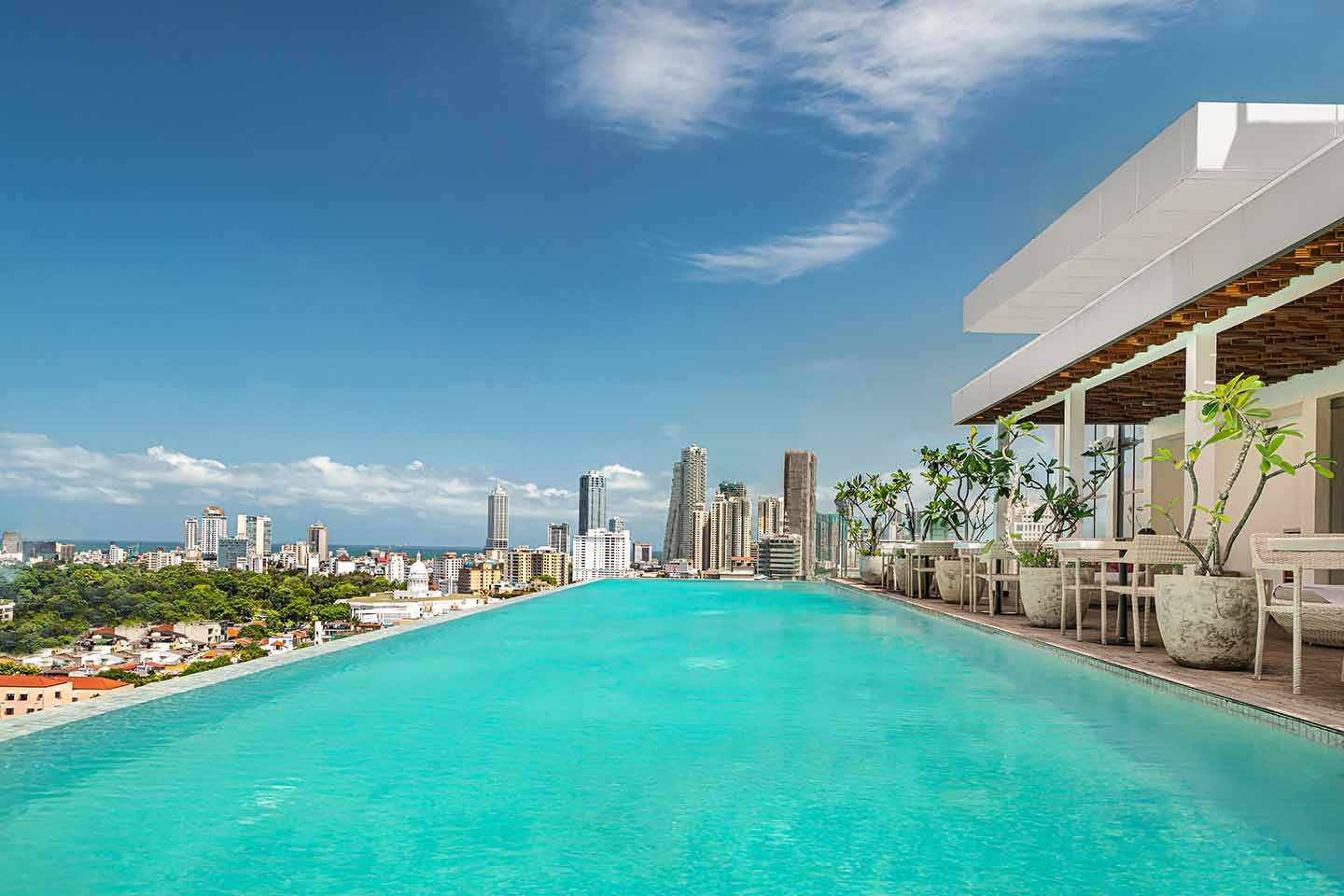


What to do in Colombo; A Business Traveller’s Guide


On the trail with Jetwing – Culture
Sri Lanka’s culture is vibrant and unique. In this edition of On the Trail with Jetwing, we explore the island from its ancient past to modern times to find out what makes us truly Sri Lankan.
read more
On the trail with Jetwing – Food
Few facets of society can become as truly an ambassador for the identity of a country as its cuisine.
read more
On the trail with Jetwing – Wildlife
Sri Lanka provides multiple habitat niches for a stunning collection of fauna and flora
read more
Nuwara Eliya Beyond Tea
Harking back to Sri Lanka’s colonial past, the hill country of Sri Lanka still preserves in its quaint towns and villages, the architecture and idiosyncrasies of a European past.
read more
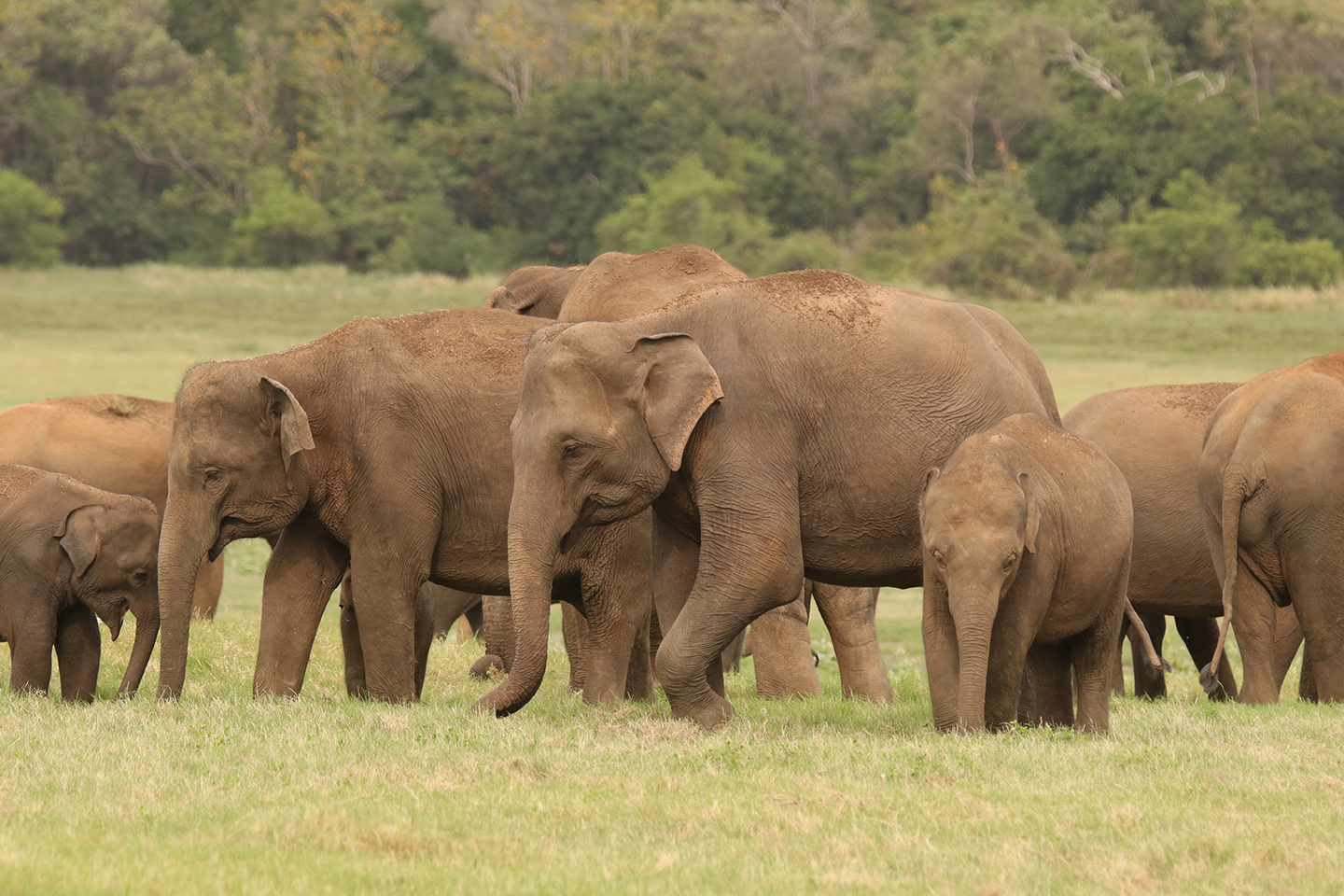
The Great Gathering
In drawing together elephants from across the north-central dry zone, it functions as an intermingling event for genes of different elephant groups.
read more
The Faith of Yalpanam
In the heart of Jaffna, the resplendent Nallur Kandaswamy Temple holds its sacred, annual 27-day long Nallur Festival, the island’s longest festival.
read more
A Procession of Colours
Experiencing the island’s most colourful procession- a fusion of Sri Lanka’s rich heritage and culture.
read more
Heroes in a Hard Shell
Creating a safe haven for the humble beginnings of an eternal journey
read more
CLEAN CONSCIENCE
Welcome to the 7-day luxury eco-tour of Sri Lanka that doesn’t cost the earth
read more
SRI LANKA: EAST COAST ROAD TRIP
A 7-day guide to the beaches, temples, wildlife and surf spots on the undiscovered side of Sri Lanka
read more
48 HOURS IN THE CULTURAL TRIANGLE
The ultimate two-day tour, taking in Sigiriya and the Dambulla Cave Temples
read more
SLENDER IS THE NIGHT
From night walks to see slender loris to the elephant gathering at Minneriya – the wildlife wonders of Jetwing Vil Uyana
read more
NEW BALANCE
Discovering the secrets of Ayurveda on a life-enhancing tour of Sri Lanka
read more
RISING STARS
How the Jetwing Youth Development Programme is changing young people’s horizons in Sri Lanka
read more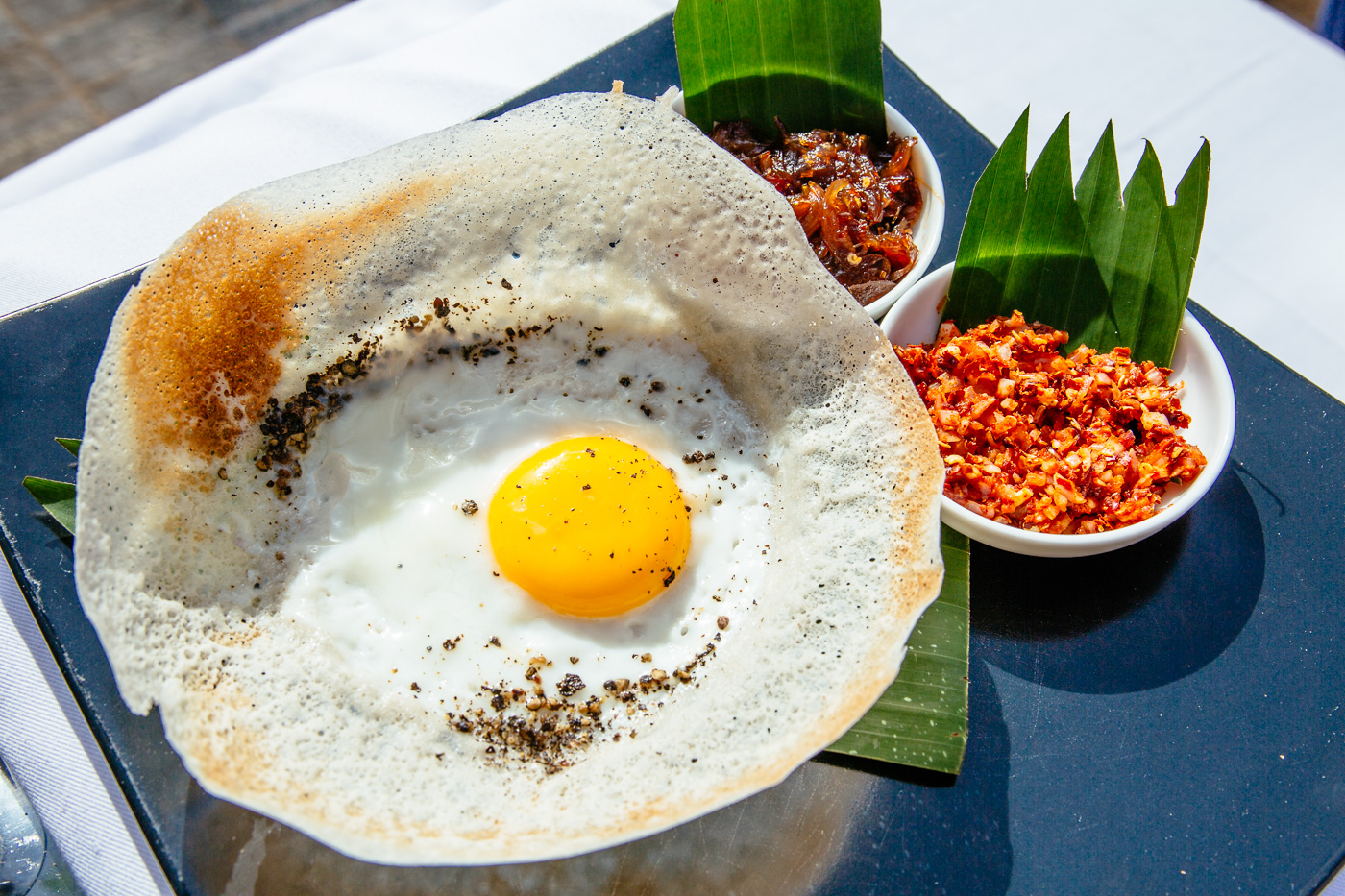
THE ISLAND KITCHEN: Hoppers
Learn how to make amazing egg hoppers with our authentic Sri Lankan recipe
read more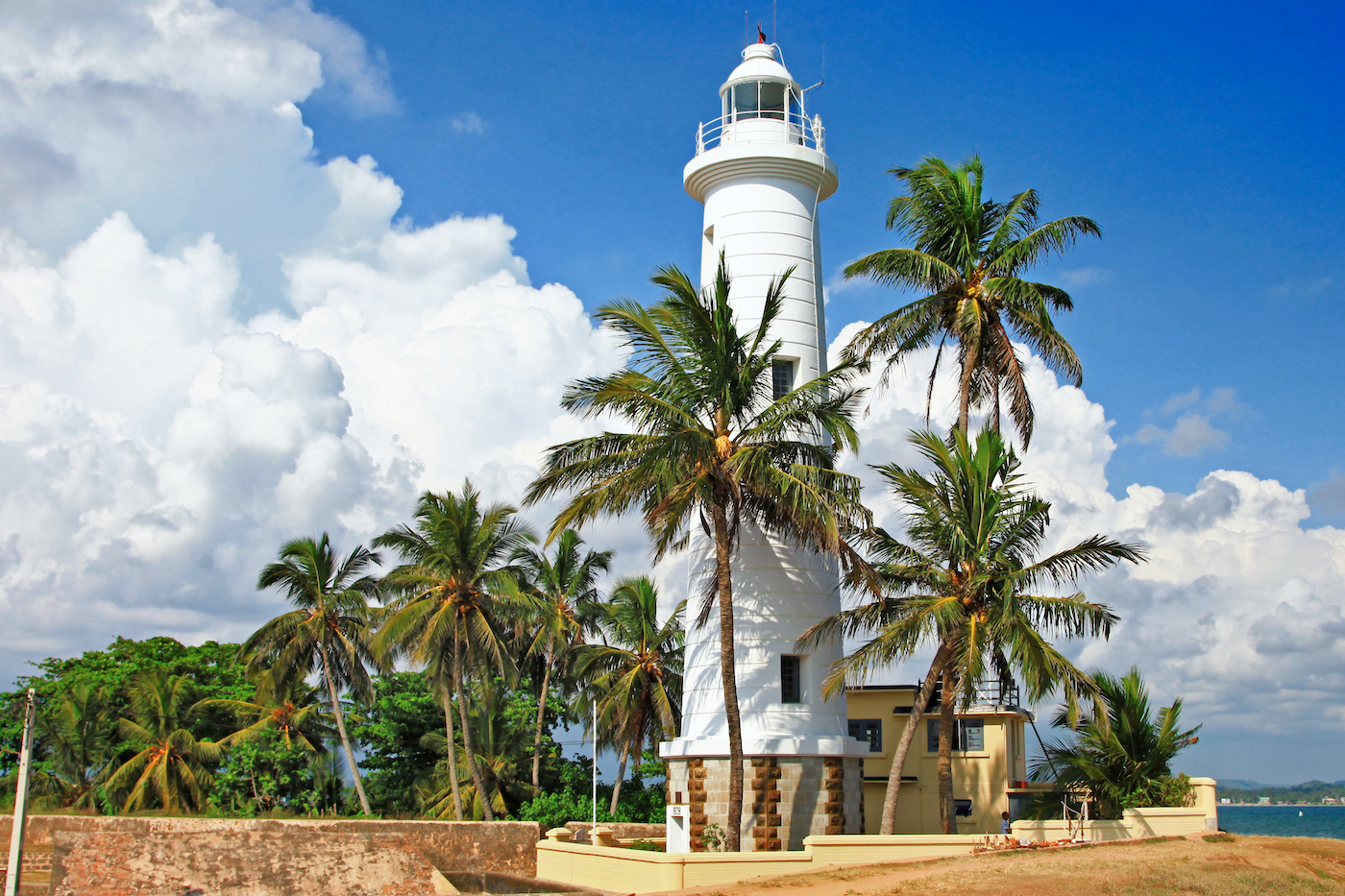
GALLE: To The Lighthouse
Combine cultural wonders and incredible wildlife watching in this definitive 4-day guide to Galle
read more
48 Hours in Colombo
From secret street food spots to historic city walks, discover the best of Colombo with this two-day city guide
read more
A Slow Train To Hill Country
The many natural and cultural highs of train travel from Colombo to Ella
read more
The Insider Guide To Yala
From leopard spotting to diving shipwrecks – expert tips on Yala National Park safaris and Sri Lanka’s southeast coast
read more
Tea Story
From meeting pluckers to tasting Ceylon Tea’s finest flushes – a tea lover’s trip through Sri Lanka’s Hill Country
read more
Chasing Waterfalls
Getting wet in Wellawaya – home of Sri Lanka’s finest waterfalls and wild swimming spots
read more
In The Land Of Giants
Sea turtles, blue whales and Sri Lankan elephants on a three-day wildlife tour of the south coast
read more
The Island Kitchen
Five authentic Sri Lankan ‘Rice & Curry’ recipes you have to try
read more
Field To Fork
Experiencing the life, culture and home-cooking of traditional Sri Lankan paddy farmers
read more