Adam’s Peak, or Sri Pada, is one of Sri Lanka’s most sacred and iconic pilgrimage destinations. This mountain rises to 2,243 meters of height and attracts thousands of pilgrims and travellers every year. The official season of pilgrimage starts in December and usually ends in April. During this time, weather conditions are more favourable and the access routes are well maintained.
Adam’s Peak in Sri Lanka has religious significance across four major faiths. Buddhists believe the sacred footprint at the summit belongs to Lord Buddha. Hindus associate it with Lord Shiva, and Muslims and Christians revere it as the footprint of Adam after his descent from Eden.
There are many routes that lead to the summit, all offering different experiences. Let’s take a closer look at the major Adam’s Peak routes to help you choose which path best suits you.
Your overall experience will depend on how you want to get to Adam’s Peak, and the route you choose. Some routes have well-paved stairways for first-time pilgrims, while others go through rugged jungle paths suited for seasoned hikers. Each trail offers different scenery, ranging from tea estates to dense rainforests with river crossings.
Crowd levels impact safety and enjoyment. During the season, popular routes are lively and well-lit, while less-visited trails offer more seclusion but have fewer amenities. For most pilgrims and older travellers, accessibility is important, with steps, handrails, rest stops, and shops being factors to consider. Some routes are well-suited for religious pilgrims, while others are better suited for adventure hikers.
a. Hatton Route (Nallathanniya Route)
The Hatton or Nallathanniya Route is the more popular route to Adam’s Peak. It is about 7 km in length and usually takes about 4–6 hours to climb up or down, depending on crowd conditions. There are stairways, lighting during the season, and beautiful views of the tea estates, along with resting areas, and food stalls.
This route is organised and safe, making it ideal for beginners’ climbers and pilgrims.
b. Ratnapura Route (Palabaddala Route)
The longest route, which is about 12 to 14 kilometres in length, includes the Ratnapura or Palabaddala Route. It is also the most physically demanding and is considered the original pilgrimage route used for centuries. The path winds through dense forests, rivers, waterfalls, and regions rich in biodiversity. It’s an ideal route for nature lovers and experienced hikers.
c. Kuruwita Route (Erathna Route)
The Kuruwita (Erathna) trail ranges moderate to difficult, and takes about 6 to 8 hours to climb. This route has a forest-covered backdrop, and passes through ancient meditation and resting areas.
Some major stops include forest shrines and quiet glades, providing a moment to reflect. This is a perfect trail for mountain climbers looking for a less crowded trek that sticks to the pilgrimage route.
d. Murrywatte Route
The Murraywatte Route has few visitors, with limited infrastructure. There are fewer rest stops, lighting, and shops. Due to its inaccessibility, this trail is best suited for adventurous hikers with better navigation experience.
e. The Mookuwatta Route
The Mookuwatte route is another lesser-known path to Adams Peak. The route begins at the village of Mookuwatte and joins the route from Palabaddala (Ratnapura). It has minimal facilities when compared to the other routes that are often taken during pilgrimages.
This trail is known for being extremely steep, and it is only recommended for experienced climbers, as it requires endurance and proper footing.
f. Maliboda Route
The Maliboda route is the quietest route to Adam’s Peak. It traverses through the rainforest and there are no marked trails. Hikers will have to walk along slippery rocks, cross rivers, and narrow jungle passages indicated by red and white cloth strips.
Amongst the highlights of this trekking route are the crossing at Seetha Gangula, with dried waterfalls, hidden view points, and forests. When the forest grows dark, the experience turns into a night time adventure guided by torchlight, which gives Udamaliboda its nickname as a destination for night hiking.
It is best to ascend Adam’s Peak during the pilgrimage season between December and May, when the climatic conditions are stable. A night ascent provides an opportunity for devotees to observe the famous sunrise, and a day ascent is good to admire the scenery.
The climatic conditions change rapidly, so expect rain, fog, and leeches, especially on routes passing through forests.
The summit houses the shrine of the Sacred Footprint, the centrepoint of Sri Pada. The celebrated Sri Pada sunrise can also be seen, when the mountain projects a triangular shadow on the plains. However, you will have to watch out for crowds during the pilgrimage season in peak months. Make sure to be respectful when visiting the shrine, due to its religious importance.
An early start or a night hike will help you avoid the heat and the crowds. Comfortable footwear is a requirement on steps and rough terrain. Carry snacks and water, as energy expenditure is quite high. A jacket will be necessary as it gets quite chilly on top. Be sensitive to local customs and refrain from littering.
Travellers hiking to Adam’s Peak can also explore the lush hill country surrounding Nuwara Eliya. While in the area, you can pick from charming old-world hotels like Jetwing St Andrews, to quaint bungalows like Jetwing Broomfield Bungalow, Jetwing Oatlands Bungalow, and Xavier’s Cottage, to old planter’s mansions set in tea estates, such as Jetwing Warwick Gardens.
Adam’s Peak is not merely a trekking route, but a spiritual journey that brings together perseverance, devotion and exploration.


Honeymoon in Sri Lanka: The Ultimate Luxury Romantic Escape
Top Wellness Hotels in Sri Lanka with Ayurvedic Spa and Holistic Care
Best Family-Friendly Hotels in Sri Lanka for Summer Vacations: A Complete Guide
Exploring Adam’s Peak Routes: A Guide to Choosing the Right Path to Sri Pada
Exploring Bahirawakanda Temple, Kandy: A Spiritual Landmark Above the City
Exploring Kandy National Museum: A Journey Through Sri Lanka’s History
Top Lagoons in Sri Lanka: Hidden Waters Worth Exploring
Vegan Travel in Sri Lanka: A Sustainable Wellness Escape at Jetwing
Best Beachfront Hotels for a Dream Wedding in Sri Lanka
Bentota River Cruising: Explore Sri Lanka’s Stunning Coastal Waterways
Why Jetwing Hotels is the Ideal Location for Your Next Business Meeting in Colombo
Popham’s Arboretum: A Perfect Escape into Sri Lanka’s Natural Beauty
Things to See and Do at Sithulpawwa, Sri Lanka: An Ancient Buddhist Monastery Experience
How to Spend a Day at Hakgala Botanical Garden: Your Ultimate Visitor’s Guide
A Traveller’s Guide to Visiting Gangaramaya Temple, Colombo
Surf Season in Arugam Bay: When to Visit for the Best Waves
Sigiriya: Explore Sri Lanka’s Famous Monument and Enjoy Your Stay at Jetwing Hotels
The Ultimate Guide to Luxury Villa Stays in Sri Lanka
A Guide to the Best Places for Bird Watching in Sri Lanka
The Ultimate Guide to the Best Things to Do in Welimada
A Complete Guide to Watersports in Bentota, Sri Lanka
Top Destinations for Wildlife Safaris in Sri Lanka You Can’t Miss
Rediscover Balance and Vitality Through Panchakarma Treatment at Jetwing
The Hidden Treasures of Embekke Devalaya in Sri Lanka: A Must-See Historical Landmark
What Makes Zip Lining in Sri Lanka an Unforgettable Adventure?
Exploring the Ramayana Trail in Sri Lanka: A Journey Through Myth and Legend
Top Things to Do Around Jetwing Surf in Pottuvil
A Guide to the Best Hiking Trails in Sri Lanka: Exploring The Pekoe Trail
A Guide to the Best Time to Visit Ella, Sri Lanka
Top Attractions and Things to Do Around Jetwing Saman Villas in Bentota, Sri Lanka
Top 5 Places for Snorkelling Experiences in Sri Lanka
Why the Ibbankatuwa Megalithic Tombs Should Be Your Next Archaeological Adventure
Stay at Jetwing Jaffna and Discover the Most Beautiful Places in the Region
What are the 8 Most Beautiful Places to Visit in Nuwara Eliya for a Nature-Filled Adventure?
What Makes Jetwing Vil Uyana a Unique Stay Among Sri Lanka’s Top Luxury Eco Resorts
Discover the Rich History of Sri Lankan Masks at Ariyapala Masks Museum
Top Wildlife Encounters in Kumana National Park: What to Expect
Discover Ravana Falls & Cave: Sri Lanka’s Natural Paradise
A Local’s Guide to Enjoying Gregory Lake, Sri Lanka
Exploring Pottuvil: Best Places to Visit for an Unforgettable Trip
Experience the Splendour of Dalada Maligawa Perahera in Sri Lanka
Top Adventure Activities in Sri Lanka: Thrills and Excitement Await
A Breathtaking Hot Air Balloon Experience in Sigiriya, Sri Lanka
From Ayurveda to Luxury: Wellness Resort in Sri Lanka for Every Need
Safe and Exciting Water Sports in Sri Lanka for Kids and Teens
Climbing Pidurangala: A Unique Experience in Sri Lanka’s Ancient Heritage
Discovering Ancient Forts in Sri Lanka: A Blend of History and Architecture
Journey Through Time: Exploring Key Archaeological Sites in Sri Lanka
Discover the Ancient Caves of Sri Lanka – A Journey Through Time
A Hiker’s Paradise: Exploring Ella’s Most Scenic Waterfalls
Discover the Hidden Gems of Wilpattu National Park
Top Attractions Near Jetwing Vil Uyana: Sri Lankan Adventure
Why Every Wildlife Enthusiast Must-visit Bundala National Park
The Best Eco-Conscious Hotel in Sri Lanka for an Earth-Friendly Vacation
The Beauty of Muthurajawela: A Photographic Journey Through Sri Lanka’s Mangroves
Discover the Best Day Outing Places in Dambulla for Adventure and Relaxation
Secrets of the Knuckles Mountain Range: What to See and Do in Sri Lanka’s Nature Reserve
Why Colombo Dutch Hospital is a Must-Visit for History Lovers and Shoppers Alike
Why Cycling is the Best Way to Discover the Hidden Gems of Bentota
Top 10 Scenic Boat Rides and River Cruises in Sri Lanka
10 Beautiful Rivers in Sri Lanka Every Traveller Should Explore
Explore Sri Lanka’s Village Walks for Nature Lovers
July Explorations: Sri Lanka’s UNESCO Gems, Temples, and Where to Stay
Kandy’s Temple of the Sacred Tooth: Must-Know Tips for Visiting
Top Things to Do in Horton Plains, Nuwara Eliya: A Complete Travel Guide
A Guide to the Most Stunning Botanical Gardens in Sri Lanka
Top Attractions & Things to Do Around Jetwing Uva Ben Head Villa
A Journey into the River Safari in Sri Lanka
Capturing the Essence of Sri Lanka: A Photographer’s Paradise
Honeymoon Guide: Best Romantic Getaways and Places in Sri Lanka

Leaping Towards a Sustainable Future by Tripling Our Reliance on Solar Energy

Family Itinerary in Sri Lanka: Discover the Best Places to Visit and Things to Do
Exploring Maskeliya, Sri Lanka: The Top 5 Things to do and Places to Visit
Sri Lanka in April: Climate, Activities and More
Travel Spots: 10 Uncommon Places and Hidden Attractions In Sri Lanka
Exploring Kebiliththa Siyambalawa Devalaya – A Spiritual Retreat Amidst Nature’s Beauty
Exploring the Mysteries of Fa-Hien Caves, Kalutara, Sri Lanka
Top Wildlife Photography Destinations in Sri Lanka
Sri Lanka’s Enchanting Train Ride: Colombo to Ella
Best Instagrammable Destinations in Sri Lanka
A Traveller’s Guide to the Must-Visit Places in Nuwara Eliya
Martin Wickramasinghe Museum: A Journey Through Sri Lanka’s Literary and Cultural Heritage


5 Tips Families Should Consider Before Travelling To Sri Lanka


Must-Visit Places during a Short Stay in Sri Lanka


Unique Parks Around Yala to Explore the Next Time You Visit Yala

Places to Visit in Galle for Couples

Exploring The North of Sri Lanka

Top Five Things to do in Sigiriya

Four Uncommon Places to Visit in Nuwara Eliya
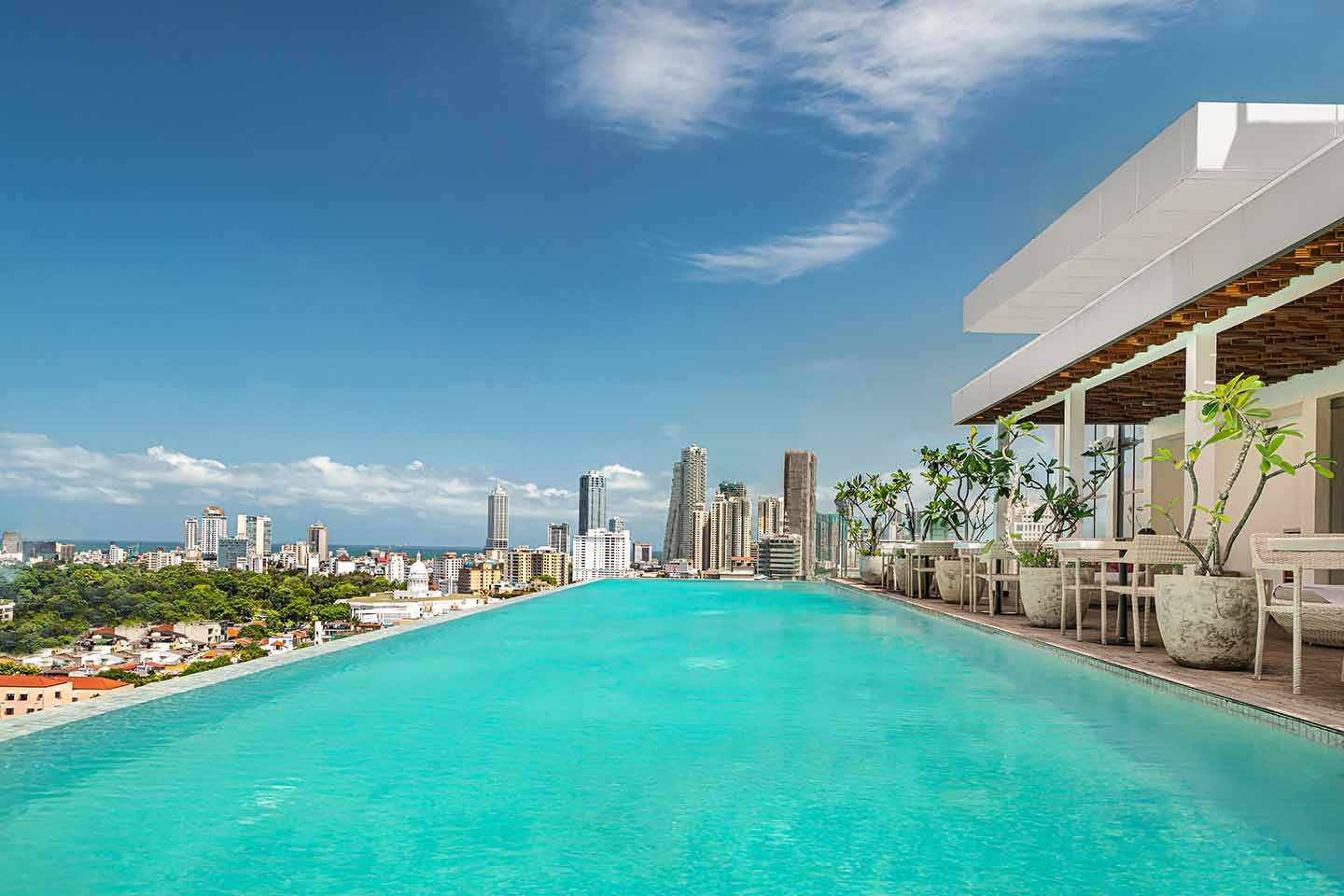


What to do in Colombo; A Business Traveller’s Guide


On the trail with Jetwing – Culture
Sri Lanka’s culture is vibrant and unique. In this edition of On the Trail with Jetwing, we explore the island from its ancient past to modern times to find out what makes us truly Sri Lankan.
read more
On the trail with Jetwing – Food
Few facets of society can become as truly an ambassador for the identity of a country as its cuisine.
read more
On the trail with Jetwing – Wildlife
Sri Lanka provides multiple habitat niches for a stunning collection of fauna and flora
read more
Nuwara Eliya Beyond Tea
Harking back to Sri Lanka’s colonial past, the hill country of Sri Lanka still preserves in its quaint towns and villages, the architecture and idiosyncrasies of a European past.
read more
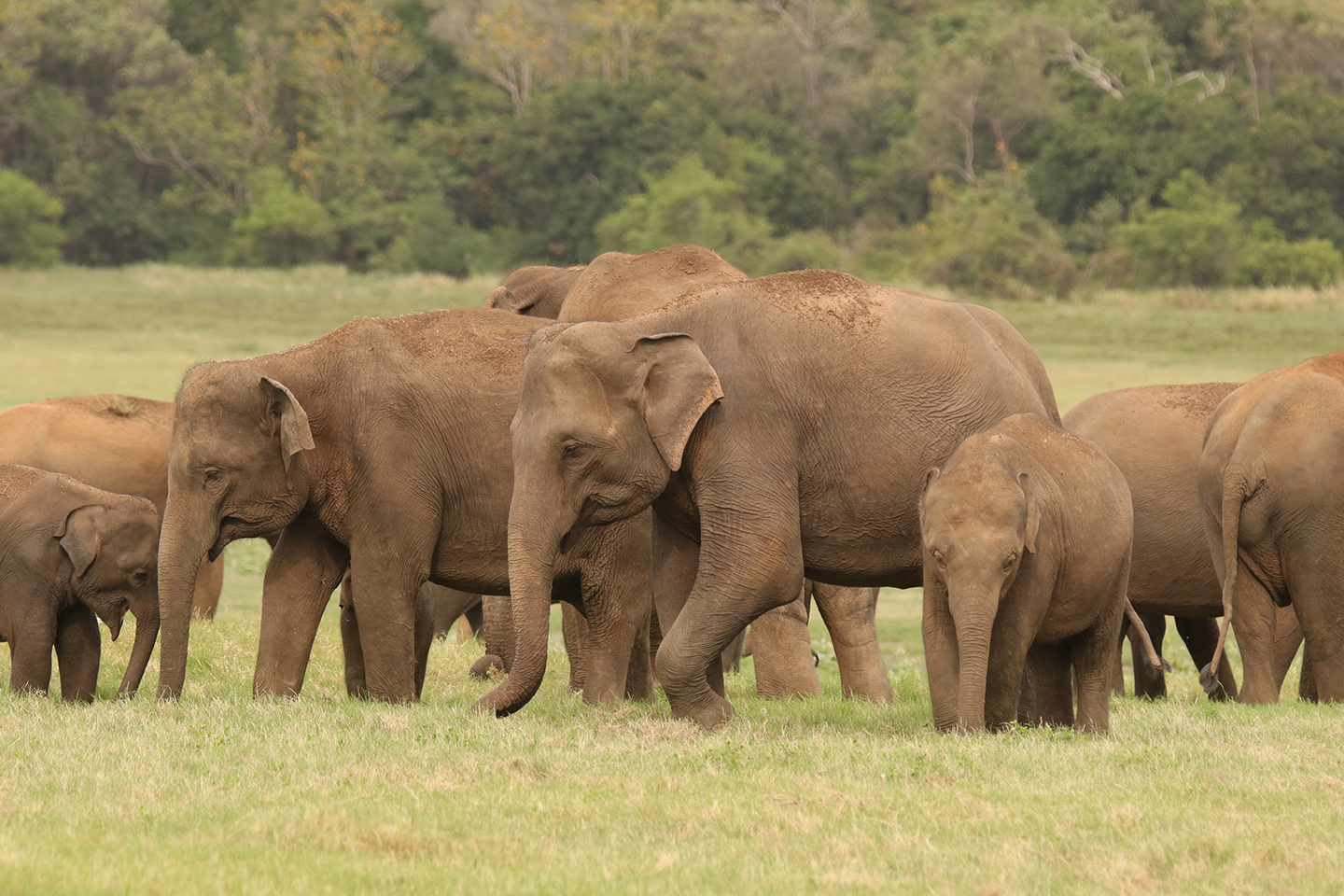
The Great Gathering
In drawing together elephants from across the north-central dry zone, it functions as an intermingling event for genes of different elephant groups.
read more
The Faith of Yalpanam
In the heart of Jaffna, the resplendent Nallur Kandaswamy Temple holds its sacred, annual 27-day long Nallur Festival, the island’s longest festival.
read more
A Procession of Colours
Experiencing the island’s most colourful procession- a fusion of Sri Lanka’s rich heritage and culture.
read more
Heroes in a Hard Shell
Creating a safe haven for the humble beginnings of an eternal journey
read more
CLEAN CONSCIENCE
Welcome to the 7-day luxury eco-tour of Sri Lanka that doesn’t cost the earth
read more
SRI LANKA: EAST COAST ROAD TRIP
A 7-day guide to the beaches, temples, wildlife and surf spots on the undiscovered side of Sri Lanka
read more
48 HOURS IN THE CULTURAL TRIANGLE
The ultimate two-day tour, taking in Sigiriya and the Dambulla Cave Temples
read more
SLENDER IS THE NIGHT
From night walks to see slender loris to the elephant gathering at Minneriya – the wildlife wonders of Jetwing Vil Uyana
read more
NEW BALANCE
Discovering the secrets of Ayurveda on a life-enhancing tour of Sri Lanka
read more
RISING STARS
How the Jetwing Youth Development Programme is changing young people’s horizons in Sri Lanka
read more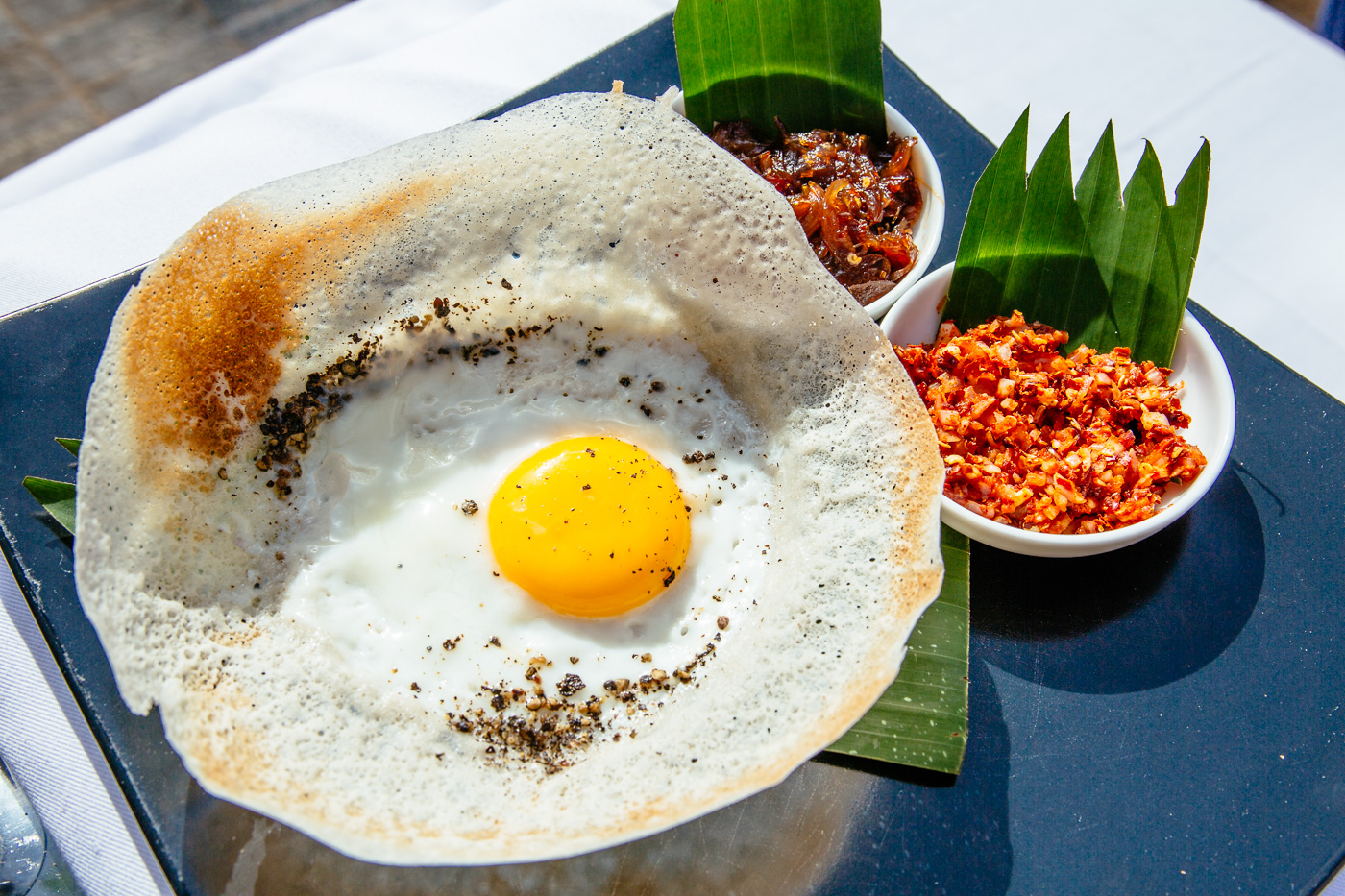
THE ISLAND KITCHEN: Hoppers
Learn how to make amazing egg hoppers with our authentic Sri Lankan recipe
read more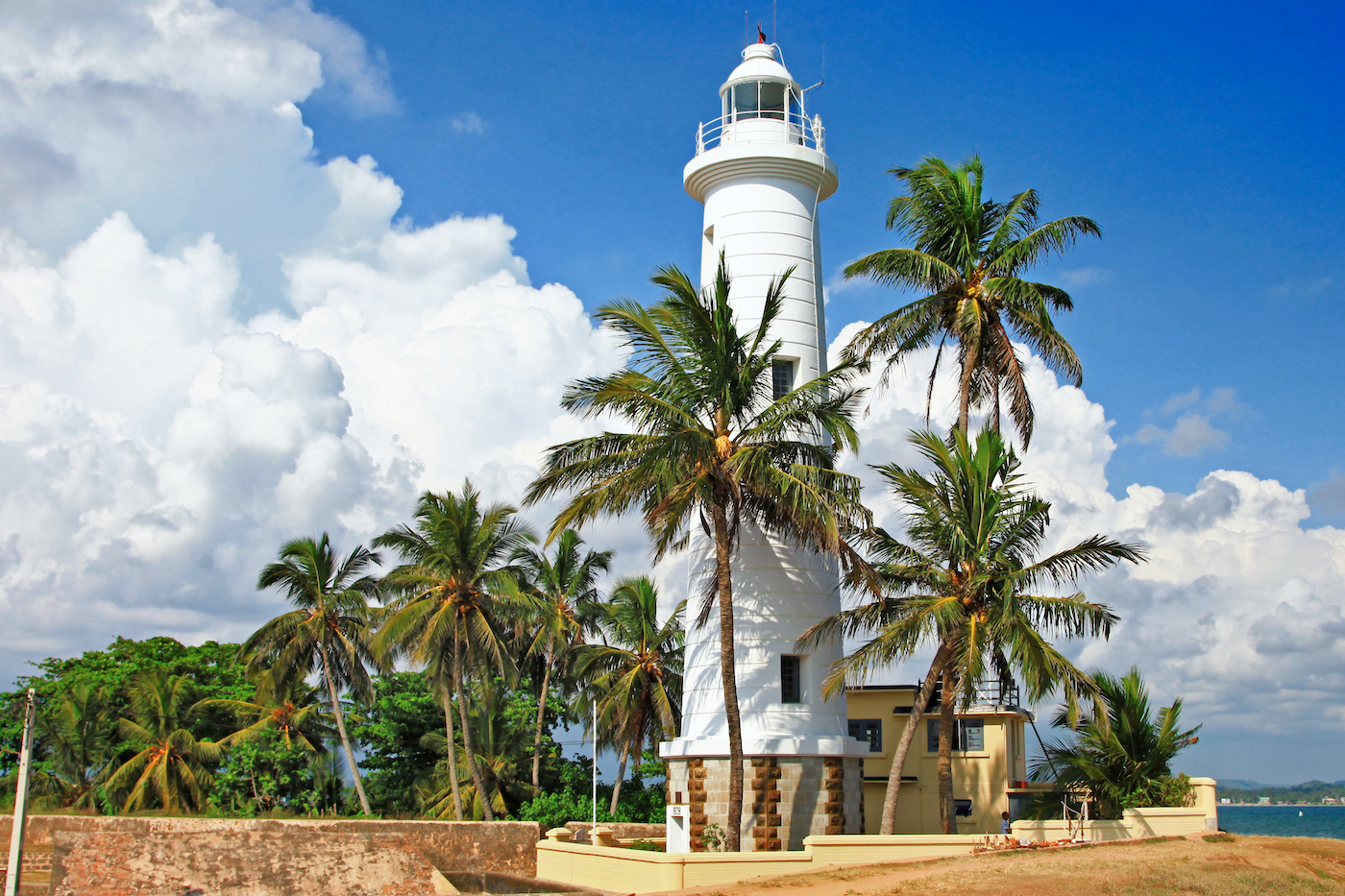
GALLE: To The Lighthouse
Combine cultural wonders and incredible wildlife watching in this definitive 4-day guide to Galle
read more
48 Hours in Colombo
From secret street food spots to historic city walks, discover the best of Colombo with this two-day city guide
read more
A Slow Train To Hill Country
The many natural and cultural highs of train travel from Colombo to Ella
read more
The Insider Guide To Yala
From leopard spotting to diving shipwrecks – expert tips on Yala National Park safaris and Sri Lanka’s southeast coast
read more
Tea Story
From meeting pluckers to tasting Ceylon Tea’s finest flushes – a tea lover’s trip through Sri Lanka’s Hill Country
read more
Chasing Waterfalls
Getting wet in Wellawaya – home of Sri Lanka’s finest waterfalls and wild swimming spots
read more
In The Land Of Giants
Sea turtles, blue whales and Sri Lankan elephants on a three-day wildlife tour of the south coast
read more
The Island Kitchen
Five authentic Sri Lankan ‘Rice & Curry’ recipes you have to try
read more
Field To Fork
Experiencing the life, culture and home-cooking of traditional Sri Lankan paddy farmers
read more